New 2026 Condo Lending Rules:
What Hamilton County Buyers and Owners Need to Know
Fannie Mae and Freddie Mac are rolling out significant changes to condo lending standards starting mid-2026, affecting reserve requirements, insurance policies, and the loan approval process itself. Here is a plain-language breakdown for condo owners, buyers, and board members across Hamilton and Boone County.

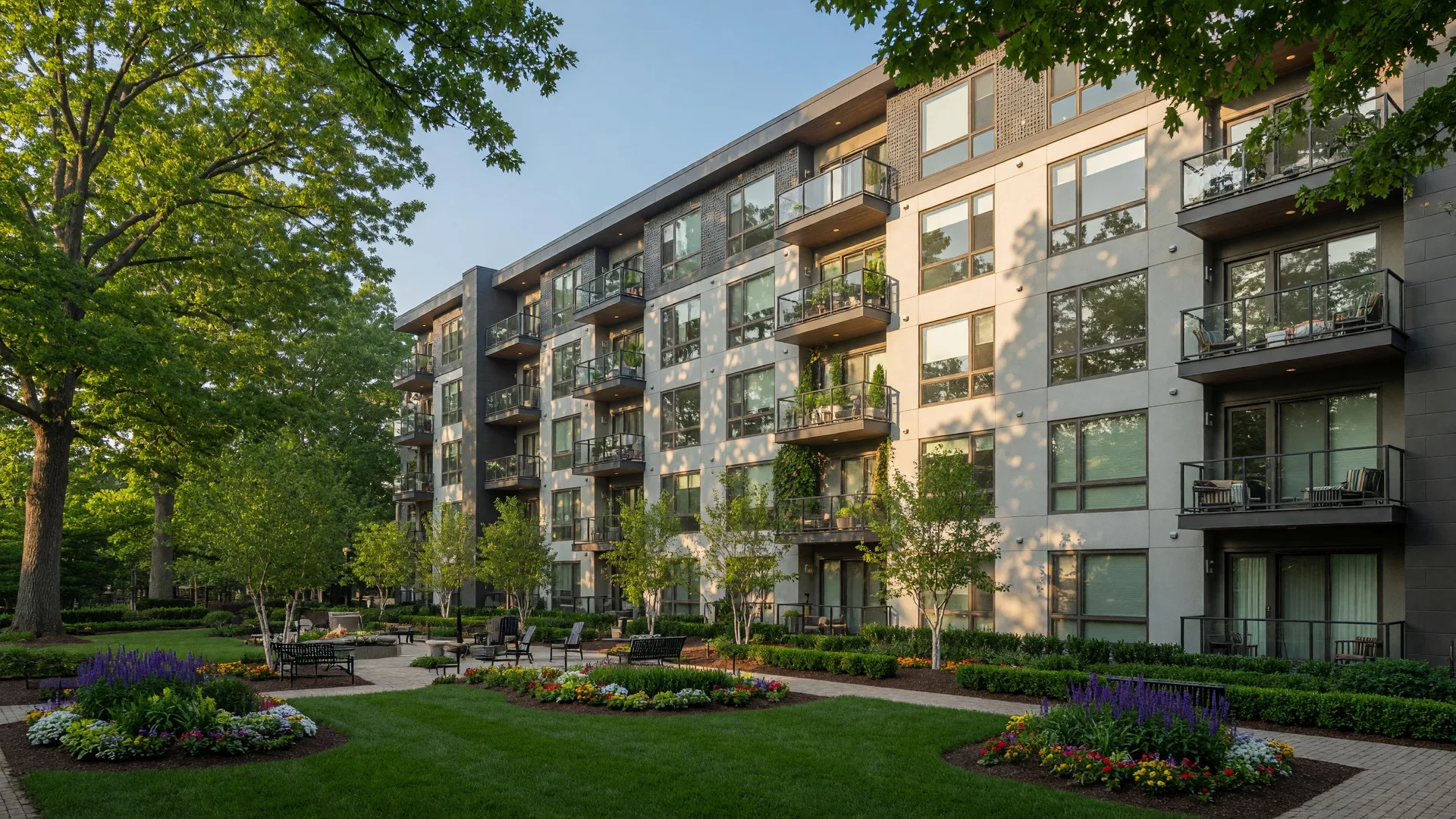
If you own a condo in Hamilton or Boone County — or have your eye on one — significant changes to federal lending rules are coming in 2026 that will affect how you buy, sell, and refinance. Fannie Mae and Freddie Mac, the two government-sponsored enterprises that back most conventional mortgages in the United States, are tightening their standards for condo project approval.
These changes are not minor technical adjustments. They reshape which buildings qualify for conventional financing, how much documentation lenders require, and how long it takes to close. For condo buyers in Carmel, Fishers, Noblesville, Westfield, and Zionsville — where attached homes and condominium developments have grown rapidly over the past decade — understanding these rules is essential before you make an offer or list your unit.
Here is what is changing, when it goes into effect, and what it means for you.
What is changing in condo lending for 2026
From streamlined reviews to reserve funds and insurance rules, here is what condo owners and buyers need to know.
The End of Streamlined Reviews
For years, many condo buildings qualified for a fast, simplified loan approval process called Limited Review or Streamlined Review. Under these programs, lenders could approve condo unit loans with relatively light paperwork — a quick check on insurance, a glance at the budget, and a sign-off on the project's legal structure. Starting August 3, 2026, most buildings will require a Full Review instead. That means lenders must submit the entire project through Fannie Mae's or Freddie Mac's full review process: complete financial statements, reserve study, budget analysis, insurance certificates, legal documents, and a deeper look at the project's ownership structure. A small number of buildings may still qualify for a waiver, but most will not. For buyers and sellers, this translates directly into longer closing timelines and more paperwork. If you are planning a condo purchase or sale this fall, build extra time into your contract dates.
Higher Reserve Fund Requirements
Condo associations collect monthly fees from owners to fund major repairs and replacements — roofs, elevators, parking structures, siding, windows. This pool of money is the reserve fund. Currently, most associations must set aside at least 10% of their annual budget in reserves to qualify as "warrantable" for conventional financing. Starting January 4, 2027, that threshold jumps to 15%. Buildings that fall short risk losing their warrantable status entirely. When a building is non-warrantable, conventional and FHA loans become unavailable, and buyers are limited to cash purchases or non-warrantable specialty lenders — a much smaller buyer pool that can lower sale prices and extend listing times. If you sit on a condo board or own a unit in Hamilton County, now is the time to ask: where do our reserves stand?
Master Insurance Policy Changes
Effective July 1, 2026, a new cap limits the deductible on a condo building's master insurance policy to $50,000 per unit. This change is designed to prevent situations where a single unit owner faces an outsized insurance burden after a building-wide claim. On the positive side, roofs no longer need to be insured at full replacement cost under the new guidelines — a change that could help offset rising insurance premiums for many associations. Condo buyers should still ask for a copy of the master policy during due diligence to confirm the building meets these thresholds before committing to a purchase.
What these changes mean for sellers and buyers
For Sellers
If you are thinking about selling your condo in 2026 or 2027, now is the time to review your association's financial health. A building with strong reserves, compliant insurance, and clean legal documents will be far easier to sell and will attract more buyers with more loan options. On the other hand, a building that falls short on reserves or insurance may limit your buyer pool to cash-only or non-warrantable lenders — a smaller audience that typically means longer days on market and lower sale prices.
Here is a practical checklist to discuss with your condo board or property manager:
- Request a copy of the association's most recent reserve study. Does it show funding at or above 15% of the annual budget?
- Ask whether the building has undergone a Fannie Mae or Freddie Mac full review, and what the result was.
- Review the master insurance policy. Is the per-unit deductible at or below $50,000? Is roof coverage structured under the new rules?
- Confirm the association's legal documents — bylaws, declarations, and ownership structure — are current and complete.
Taking these steps now — before you list — prevents surprises when a buyer's lender requests the same information during escrow.
For Buyers
If you are shopping for a condo, checking the building's financial health should happen early in the process — not after you have already fallen in love with a unit. A building that looks perfect from the curb can turn into a financing dead end if it fails to meet the new reserve or insurance thresholds.
Before you write an offer, ask your real estate agent or lender to run a project eligibility check. Here is what to request from the seller's side during your due diligence period:
- The association's most recent budget and reserve study.
- A copy of the master insurance policy declaration page.
- Confirmation of the building's Fannie Mae or Freddie Mac review status.
- Any recent special assessments or planned capital expenditures.
This one step can prevent loan delays, denials, or last-minute renegotiations. In a competitive market like Fishers or Carmel, a pre-approved buyer who has already confirmed the building's warrantability has a significant advantage over someone who discovers the issue mid-escrow.
Frequently asked questions about condo lending rules
What is a 'warrantable' condo project?
A warrantable condo project meets Fannie Mae and Freddie Mac guidelines for conventional financing. Buildings that fail to meet reserve, insurance, or legal structure requirements become 'non-warrantable,' meaning conventional loans are not available for units in that project.
How do I know if my building is warrantable?
Your condo association or property manager should be able to tell you whether the building has been reviewed by Fannie Mae or Freddie Mac. A local lender can also run a project review to check warrantability before you make an offer on a unit.
Do these rules affect cash buyers?
No. Cash buyers are not affected by Fannie Mae or Freddie Mac lending rules. However, a cash buyer who later wants to resell will face the same warrantability challenges as any other seller — so understanding the building's financial health is still important.
What about FHA or VA loans for condos?
FHA has its own condo approval process, separate from Fannie Mae and Freddie Mac. VA loans for condos also follow separate guidelines. However, the general trend is toward tighter financial scrutiny across all loan types, so strong building reserves and proper insurance remain critical regardless of the loan program.
Have a question that is not covered here? Reach out to Susan directly — she works with condo buyers and sellers across Hamilton and Boone County every day and can help you navigate the new rules.
How these rules affect condos in our local communities
Condominium developments are not evenly distributed across Hamilton County. Understanding where these rules bite hardest can help you focus your attention.
Carmel and Fishers have the highest concentration of attached homes and condo-style developments in the county. From luxury mid-rise buildings along the Monon to garden-style condos in master-planned communities, buyers in these cities will encounter the broadest range of building financial health. If you are shopping for a condo in one of the older buildings near Carmel's Arts & Design District or Fishers's downtown area, the reserve study and insurance review become especially important — older buildings often have higher deferred maintenance needs that test reserve adequacy.
Noblesville and Westfield have seen a wave of new condo construction over the past five years. Newer buildings are more likely to meet the new reserve thresholds because their reserve studies are based on brand-new components. However, first-year condo associations sometimes underfund reserves initially, so even a new building deserves a careful check.
Zionsville and Whitestown have fewer condominium developments overall, but the ones that exist tend to be popular with empty-nesters and downsizers. Buyers in these communities should pay special attention to the master insurance policy changes, as smaller associations may not have priced their policies under the new deductible cap yet.
The bottom line: every building is different, and the new rules make it more important than ever to look past the unit itself and understand the financial health of the entire project.
Let's Talk About Your Condo Plans
Lending changes can feel overwhelming, especially when they affect something as significant as buying or selling your home. Whether you are selling a condo and want to confirm your building is ready for the new rules, or you are searching for the right unit and need help evaluating a building's financial health, reach out. A 30-minute conversation can save you weeks of frustration later.